Photographing a stork release at the Padule di Fucecchio
On Friday, September 5, 2025, I photographed the release of a young white stork at the Padule di Fucecchio, in Tuscany. I was there as a volunteer photographer for LIPU (Lega Italiana Protezione Uccelli), the Italian bird-protection nonprofit that manages the nature reserve with the Tuscany Region.
No brief, no client, no invoice. Yet few days have shaped my work with hotels, agriturismi (farm stays), and restaurants as much. Here’s why.
The stork’s story
The stork was rescued at the end of June 2025, at the edge of the marsh near Monsummano Terme. Plastic wrapped around its neck had caused a blockage that stopped it from feeding. At LIPU’s wildlife rescue center in Vicchio, near Florence, it had surgery, then about two months of rehabilitation and flight training in an aviary 60 meters long.
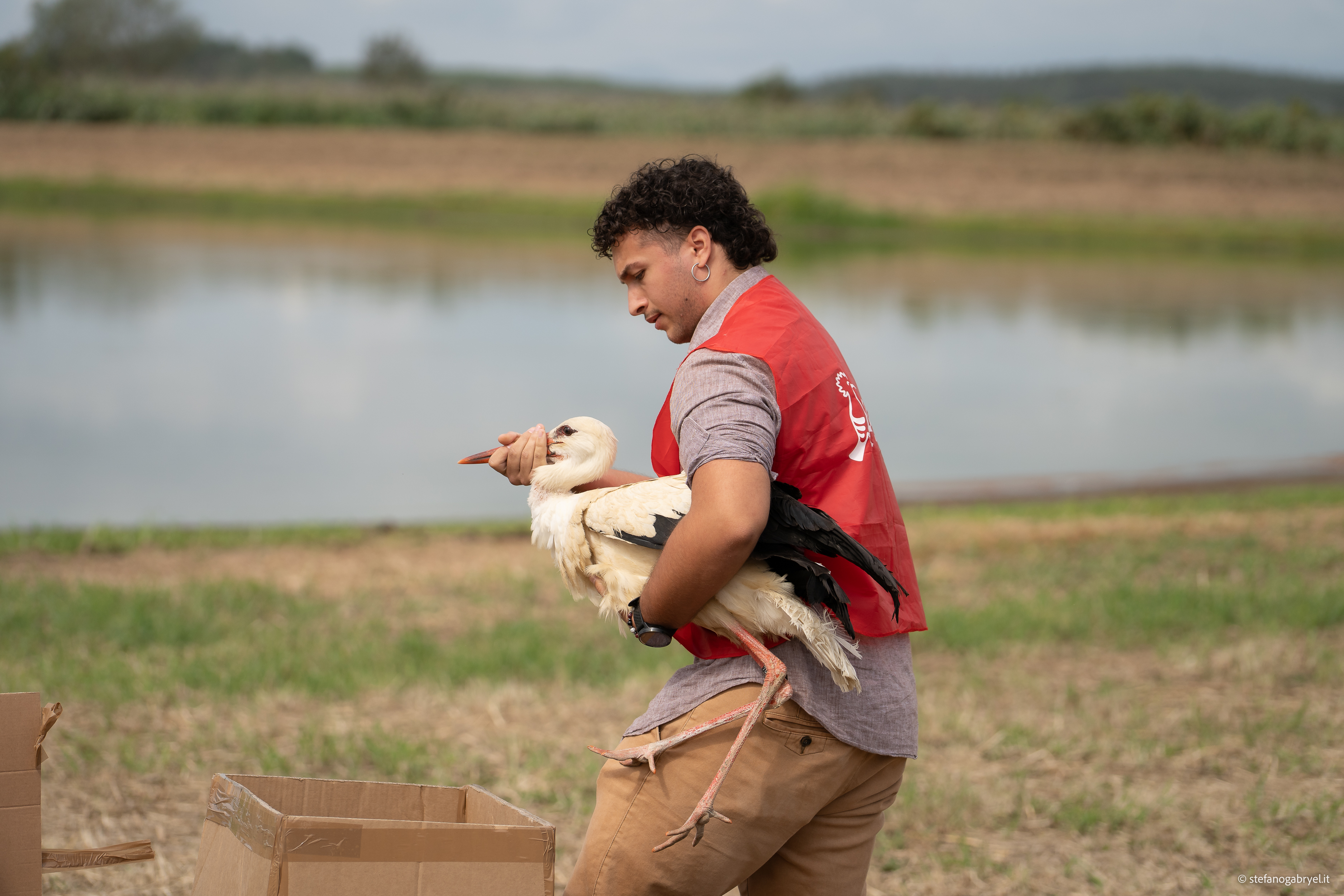
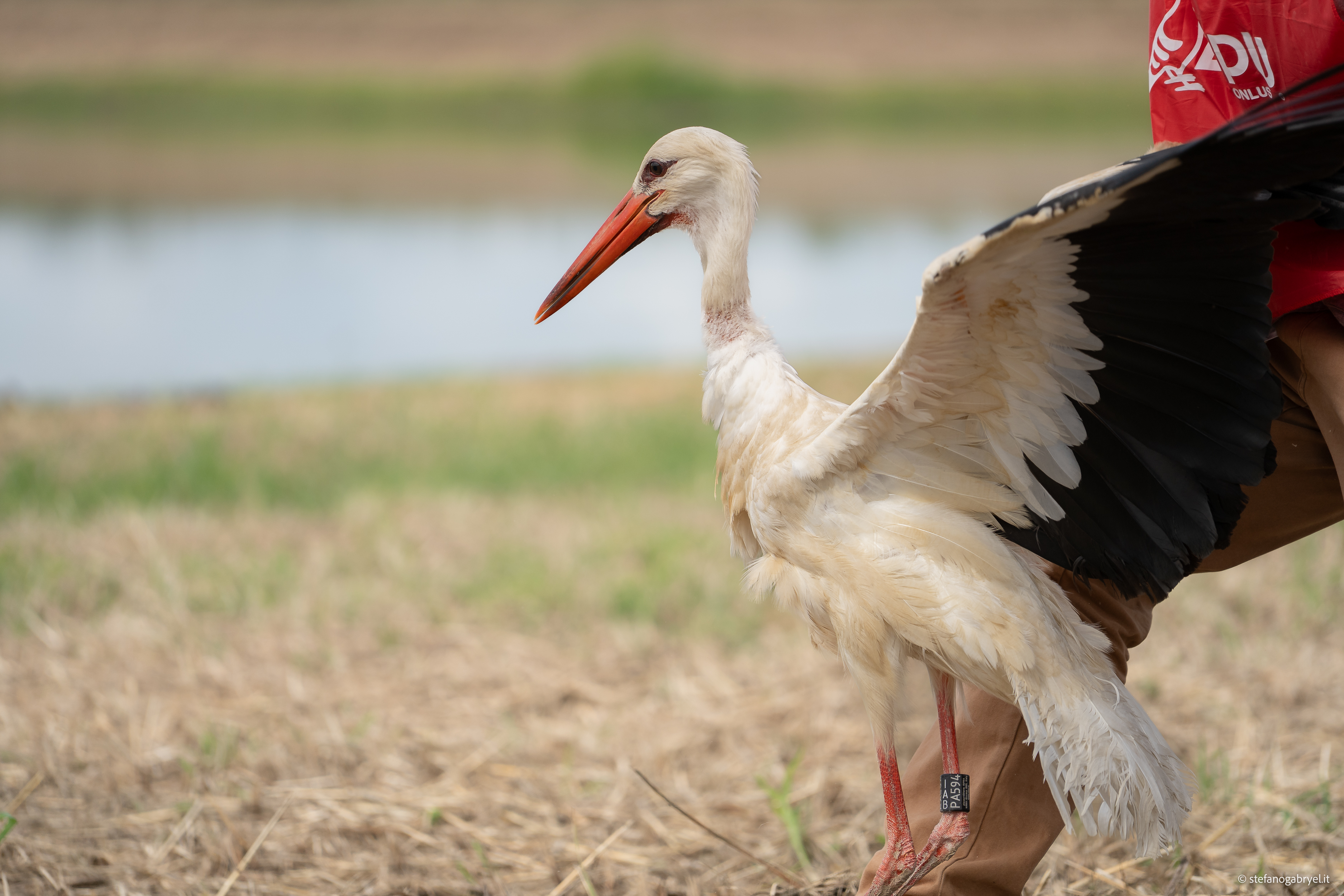
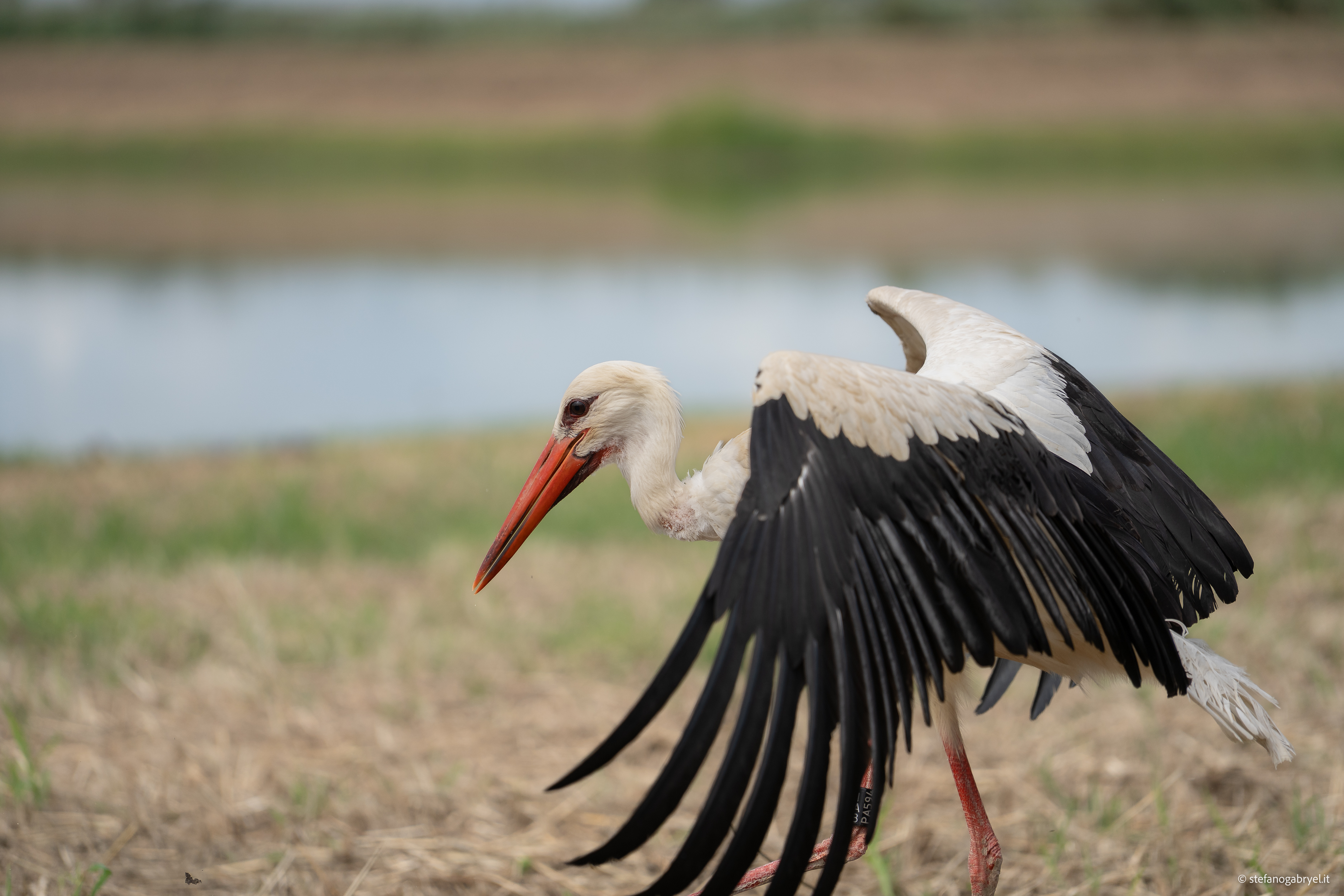
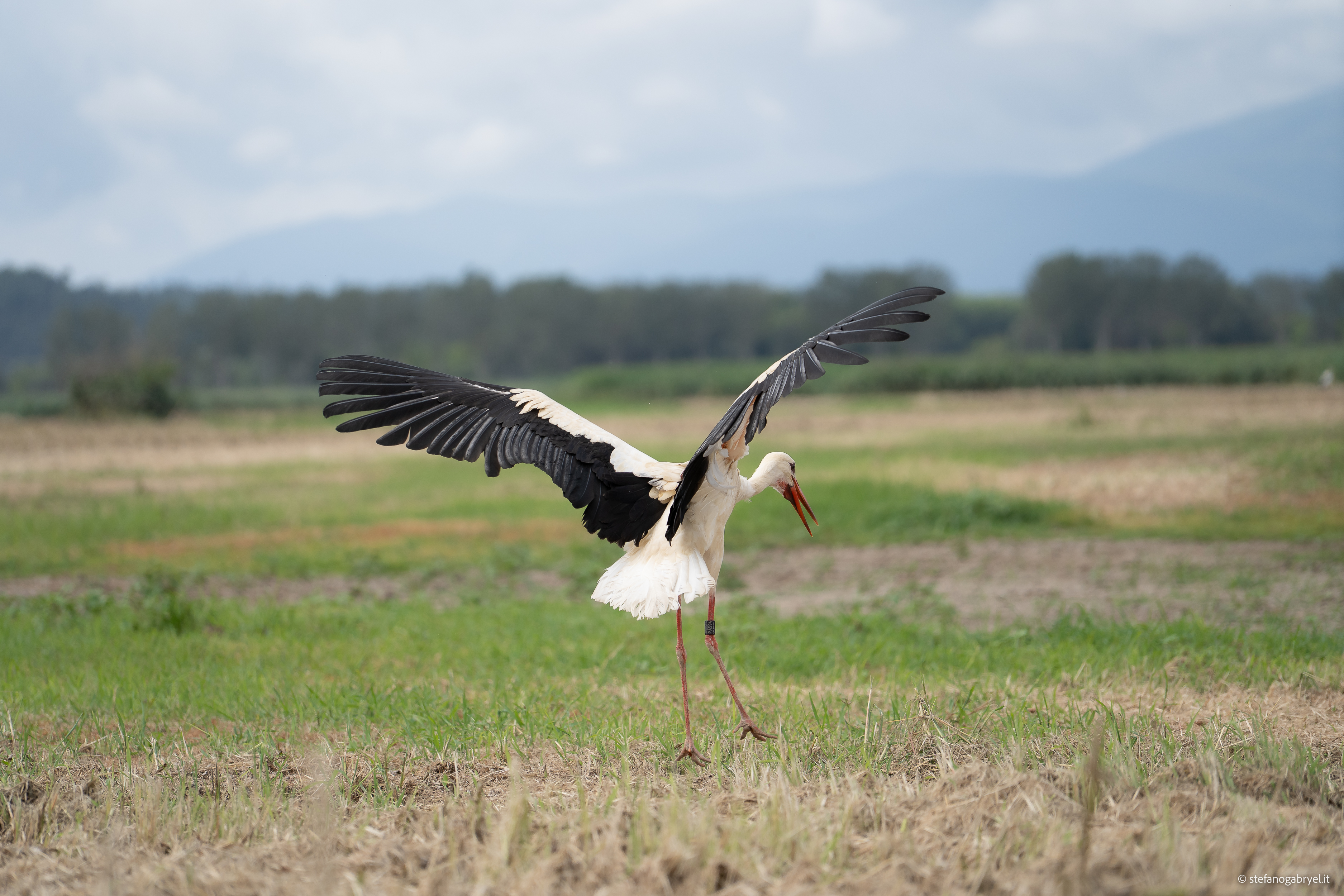
On release day it was carried in a cardboard box to a field by the water at Le Morette, one of the reserve’s two areas. Set down on the grass, it opened its wings almost at once, then walked off across the field. It left with a GPS tracker, so LIPU can follow its movements and its migration routes.
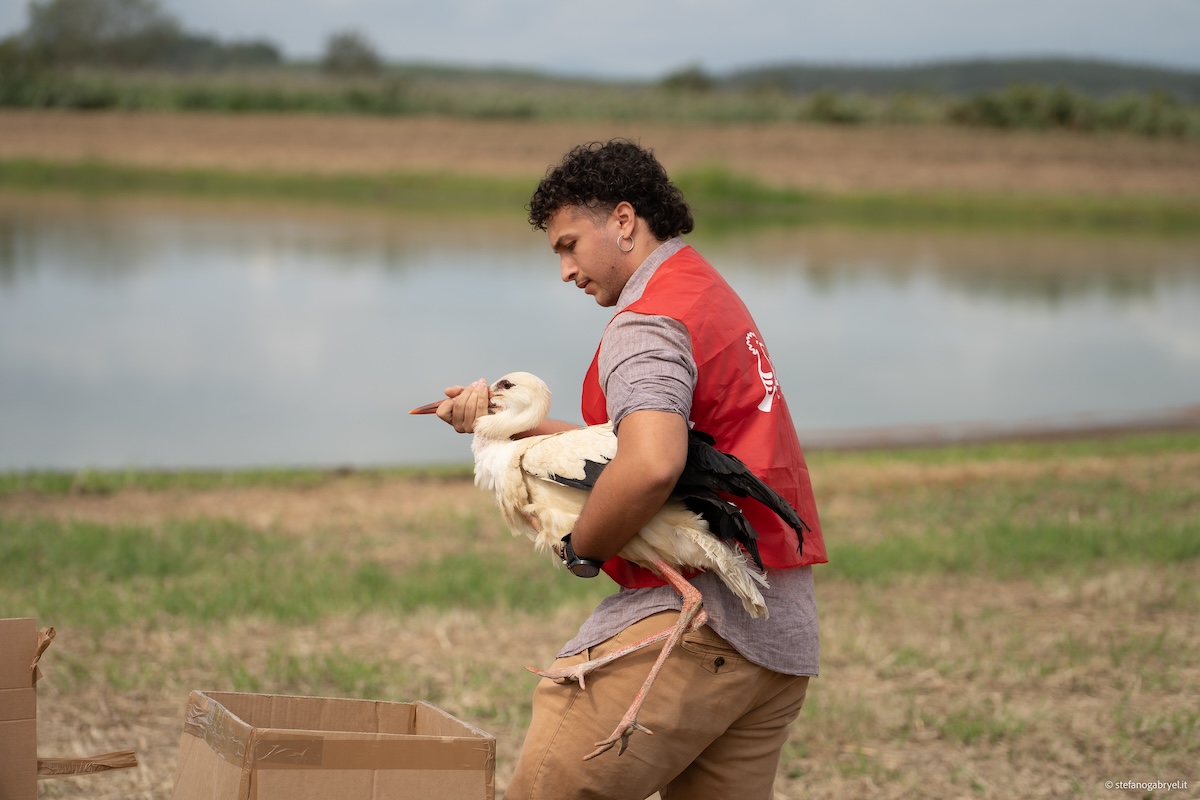 Out of the box: a man in a LIPU vest holds the young stork by the water at Le Morette
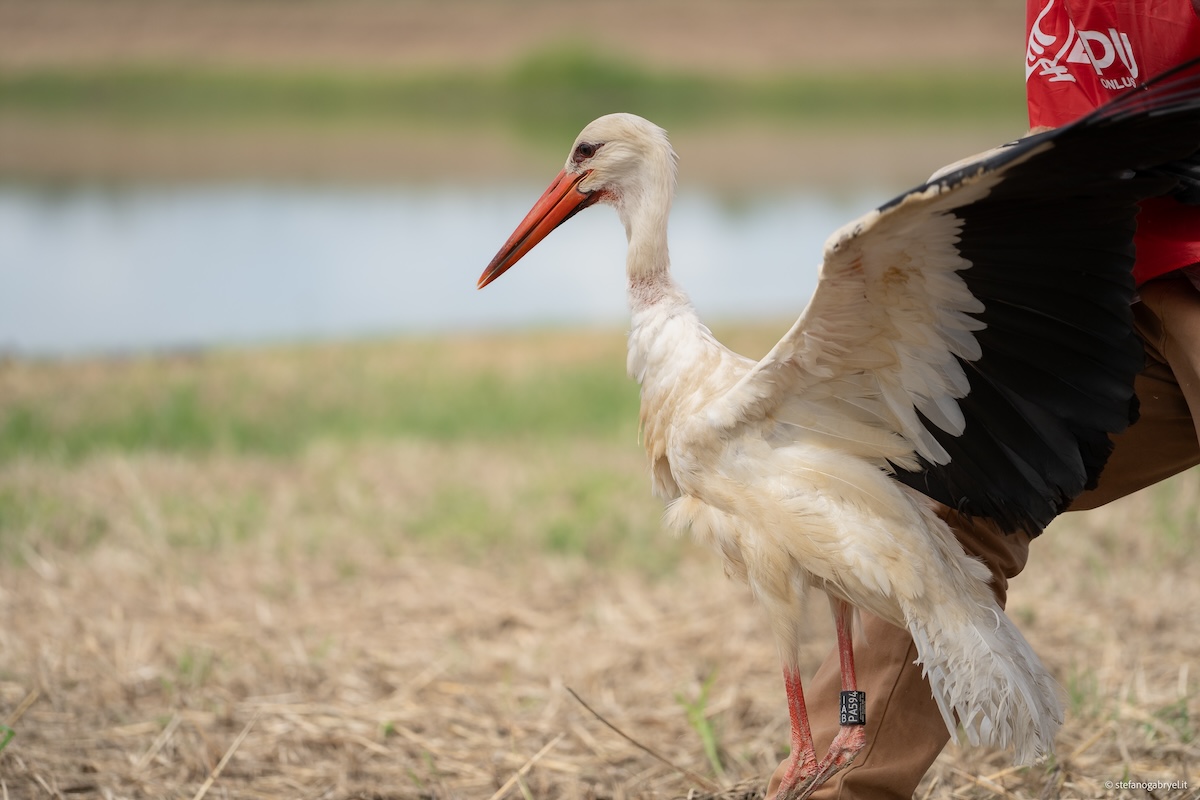 Set down on the grass, the stork starts to open its wings
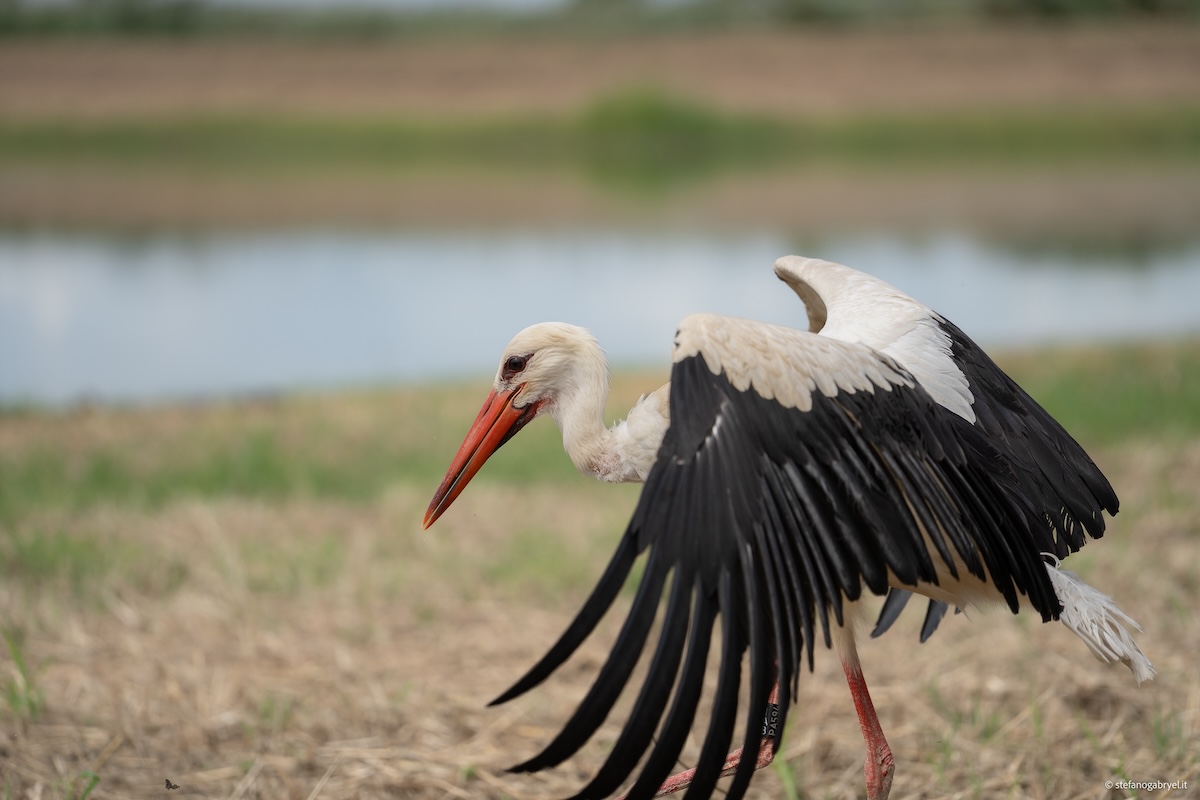 One second later, wings wide open, it steps out across the field
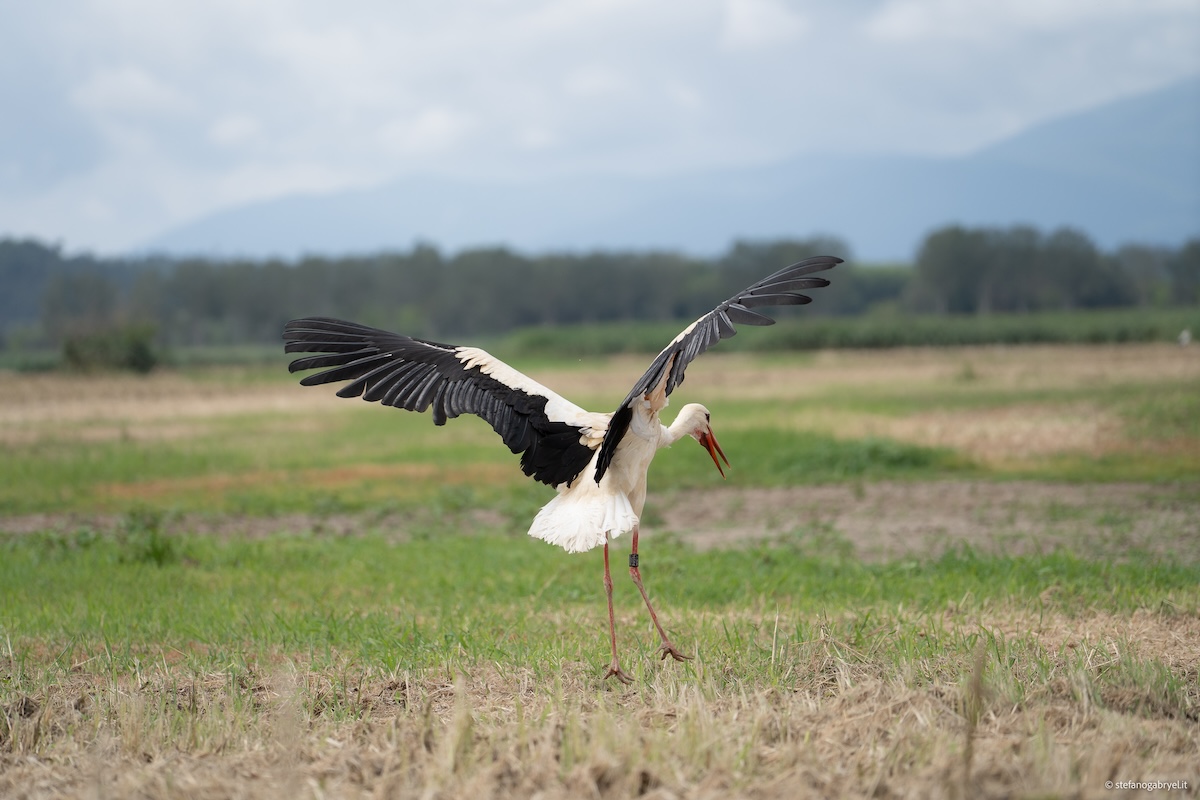 A few minutes later, wings spread over the field, with trees and hills behind
The reserve’s own news story about the release (in Italian) uses my photos.
The Padule di Fucecchio, a wetland few people describe
Padule is the Tuscan word for marsh, and this is the largest inland marsh on the Italian peninsula: almost 2,000 hectares between the provinces of Pistoia and Florence, where more than 240 bird species have been recorded. I’m based between Pistoia and Lucca, and I’ve been there several times, including as a licensed hiking guide (in Italy, a guida ambientale escursionistica). It’s a great area for walking and birdwatching, yet you’ll find very little about it online.
If you run a hotel, B&B, or agriturismo in one of the towns around it (Fucecchio, Ponte Buggianese, Larciano, Monsummano Terme), that’s an opportunity. The Padule is one more reason to book with you rather than with a property 20 km away.
What wildlife teaches me about photographing hotels
It sounds like a leap, but a day like this trains skills I use in every commercial shoot:
- Working with the light you get. At a release you don’t choose the hour or the weather. That morning the sky was gray and the light flat, and I had to adjust in seconds. At a property it’s the same: a veranda against the light, a bedroom that gets the sun only at one time of day.
- Being ready before the moment comes. A stork doesn’t pose, and it doesn’t do anything twice: on my camera’s clock, the two photos of its wings opening are one second apart. At a property, the evening light may sit on the terrace for only a few minutes. Being ready for it is the difference between a photo that just documents the terrace and one that makes guests picture their evening there.
- Looking for real details. The water behind the bird, the black feathers, the ring on its leg. At a property, details like these are what make people want to be there, and they shape what guests think a stay is worth. That’s where the return on professional hotel photography comes from.
Want photos that show your property and the area around it?
Your area is a reason to book
When guests book an agriturismo in Tuscany, they also choose the place around it: the Padule, a winery nearby, a walking route, a village food festival. Your property can make all of it part of its story without owning any of it.
Yet most properties stop at a “Location” page with an address and a map. Describing the area sets you apart from your competitors, and it helps you get found: someone searching for birdwatching in Tuscany can land on your website instead of theirs. Here’s a short plan I often suggest to the properties I work with:
- Map the places worth a visit within 30–40 minutes of your property: nature, food and wine, villages, seasonal events.
- Have them photographed well, in the same style as your rooms, so the photos are yours and match the rest of your gallery. No stock photos.
- Describe them as experiences on your website and social media, not as a list.
I explain the full method, with topic ideas and how to find what travelers search for, in my guide to hotel content marketing.
What I bring back
I volunteer for two reasons. The first is personal: nature and landscapes mattered to me long before photography became my job, and photographing them to help protect them, with no deadline, is a rare privilege. The second is professional: volunteering is a concrete way to know the area from the inside and meet the people who look after it. I come back with new contacts, better knowledge of the places, and a trained eye.
A day like this also reminds me that the best photos come from places with a real story to tell. When I work with a hotel, B&B, or agriturismo, I don’t only photograph the rooms: I photograph the reason someone would travel from abroad to stay there. That’s how I plan every shoot for a property.