How to increase hotel occupancy in low season: sell niche stays
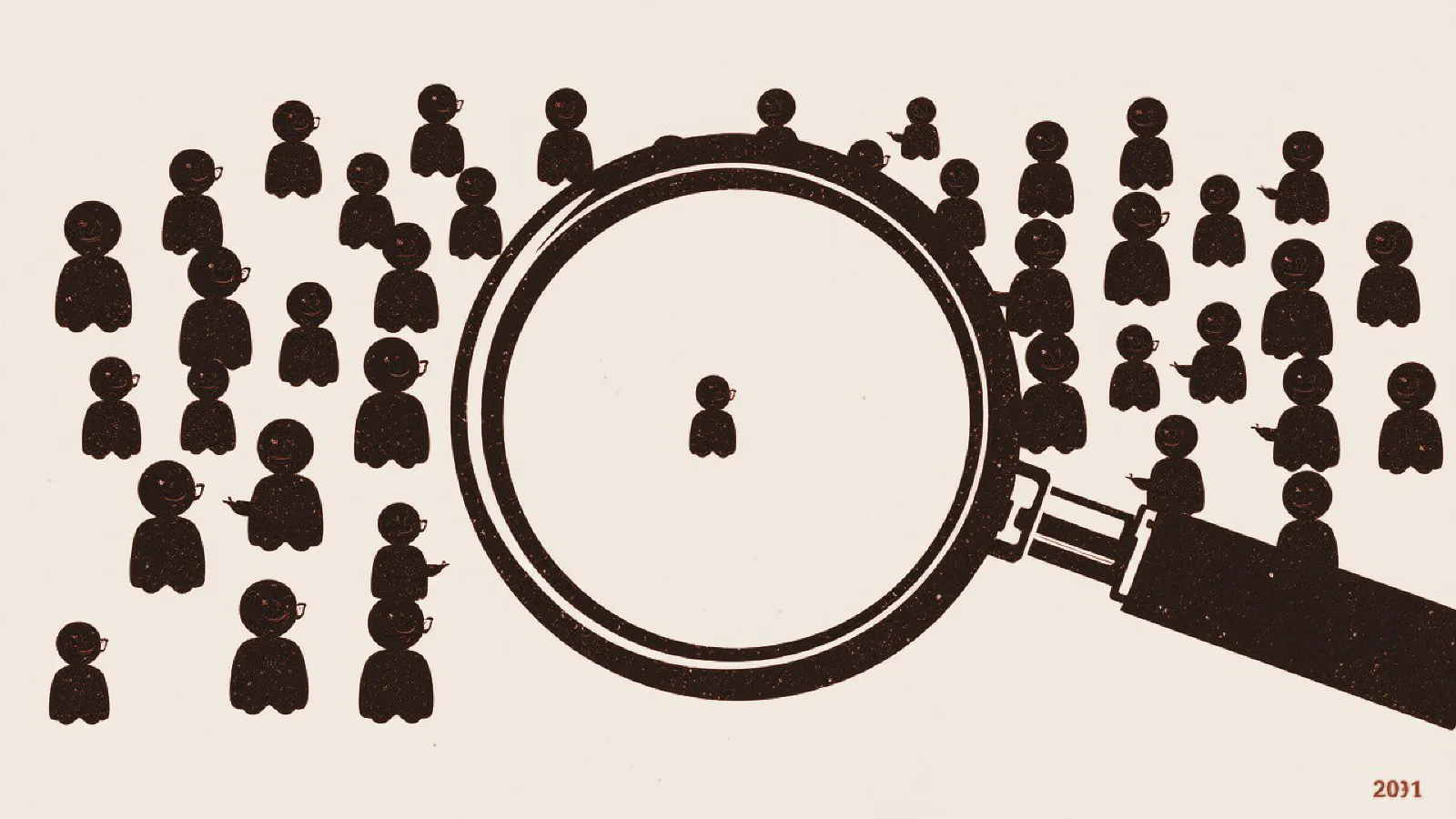
To increase hotel occupancy in low season, stop selling a room to everyone and sell a named stay to people who travel in your quiet months anyway: remote workers who stay for weeks, walkers on the Via Francigena in spring and fall, couples who come for the grape or olive harvest. A discount fills a room for less money. A niche stay fills it with guests who came for the experience and compare you with far fewer places.
Say an agriturismo (a farm stay) near Pistoia has two free rooms in September. It lists the first on Booking.com as “double room with a view, breakfast included.” It sells the second as a “grape harvest weekend: two days picking grapes, lunch in the vineyard, and a bottle with your name on the label.” Which one gets booked first, and at what price?
Why niche stays fill the low season better than discounts
Most off-season hotel marketing starts with a discount, which puts you in a price contest with every other empty room in your area. A niche stay takes you out of it:
- Guests who care less about price. Someone booking “two days of olive picking” wants that experience, not the cheapest bed.
- Fewer competitors. On “agriturismo Tuscany,” you compete with thousands of properties and every booking site. On “agriturismo with pasta-making class near Lucca,” you compete with a handful.
- Clearer photos and copy. When you know who you’re talking to, you know what to show. Empty words like “relaxing” and “unique” disappear.
This is experiential tourism: you sell what guests will do, and the room comes with it. Your rooms stay bookable by anyone; the niche stay is an extra product with its own name, page, and photos. Better to be the first choice of 500 people than the third choice of 50,000.
Low season hotel marketing ideas, month by month
Many niches happen exactly in the months you need to fill. Start from what goes on around you when the summer crowds leave. In Tuscany, for example:
- September: grape harvest weekends, with picking, lunch in the vineyard, and a tasting.
- Late October and November: olive picking and the new oil at the olive mill (the frantoio).
- Fall and winter: truffle hunting with a local truffle hunter and a dog; cooking classes.
- November to March: remote workers on long stays, and small teams on retreat.
- Spring and fall: walkers and cyclists on the Via Francigena and on the strade bianche, the white gravel roads of the countryside.
- All year: guests who choose on sustainability, and guests traveling with a dog.
How to find your niche in four steps
You don’t invent a niche at your desk. You find the one you already have and make it visible.
- Look at who books you in the quiet months. Read your reviews, check who comes back, and look for a pattern: couples who cycle, families with dogs, guests from abroad looking for “the real Italian countryside.” The niche is often already in your bookings.
- List what only you have, and what’s around you. A winery 2 km away, a CAI trail (marked by the Club Alpino Italiano, the Italian Alpine Club) that starts at your gate, the village norcino (a butcher who cures his own salami and ham), a view nobody else has.
- Check that people search for it. Type your idea into Google and read the suggestions and the “People also ask” box. Do “cooking class Tuscany” or “dog-friendly agriturismo Mugello” (the valley north of Florence) come up? A niche nobody searches for is a hobby.
- Build a package, not a discount. Hotel experience packages need a name, a length, fixed dates, a price, and a list of what’s included: “Grape harvest weekend,” “Three days of gravel riding on the strade bianche,” “A working month in the hills.” A name gives guests something to ask for.
If you run tours, tastings, or classes rather than rooms, the same steps work. For wineries, see wine tourism marketing in Tuscany.
Want help finding the niche in your own bookings?
Three niche stays that fill quiet months
Remote workers: how to attract digital nomads to your hotel
Remote workers on a workation (work plus vacation) stay one to four weeks, and they can choose October, February, or March because those months are quieter and cheaper. They need a place where work goes well.
Here’s what that can mean, with round numbers as an example. A 10-room property has about 1,500 room-nights to sell from November to March; at 20% occupancy, it sells 300. One room that would otherwise sit empty, let to remote workers for the whole period, adds 150 and takes occupancy to 30%. And three weeks means one arrival and one deep clean, where seven three-night stays would mean seven of each.
What they check, in this order:
- Internet that holds a video call. “Free Wi-Fi” says nothing. Measure download and upload speed in every room at the busiest time of day, and publish it: “Fiber, 100 Mbps download and upload, tested in every room.” On Airbnb, run the Wi-Fi speed test in the app from inside the property and add the result to your listing; from 50 Mbps up, Airbnb highlights fast Wi-Fi at the top of the listing.
- A real desk: the right height, a chair for eight hours, a socket within reach, and a lamp for evening calls. It costs a few hundred euros per room.
- Quiet in working hours: rooms away from the road, no garden work under the windows at 10 a.m., a corner for calls.
- Daily life made easy: coffee at any time, laundry, a weekly clean, and dinner without driving out every evening.
- Your area after work: a tasting, a walk at sunset, the village 20 minutes away. Show it: no city apartment has it.
Sell it as a product: weekly and monthly rates, lower per night the longer the stay, with breakfast and laundry included and a name such as “A working month in the hills.” A villa or a vacation rental (a holiday let, in the UK) can offer the whole house.
Then test team retreats. Companies with remote teams meet in person for a few days at a time, and a countryside property with a common room and fast Wi-Fi suits them: one group can fill the house for a week in November. A page for retreats and an email to a few companies are enough to start.
Walkers on the Via Francigena
The Via Francigena, the medieval pilgrim route from Canterbury to Rome, crosses Tuscany for about 400 km, through Lucca, Altopascio, San Miniato, San Gimignano, Siena, and the Val d’Orcia. The best walking months are in spring and fall: the shoulder season on either side of your summer peak. Other routes and local trails work the same way.
Walkers want simple, specific things:
- Your distance from the route, stated everywhere: “300 m from the Via Francigena, on the Lucca–Altopascio stage.”
- Breakfast from 6:30, because many leave at 7:00 or 7:30, and a packed lunch for the next stage.
- Laundry or a drying rack, and a place for muddy boots and bikes.
- A flexible check-in, a shower right away, and a simple, filling dinner.
- A stamp for their credential, the pilgrim passport walkers get stamped along the way.
- Local knowledge: water on the next stage, the weather, the state of the trail, and who can carry their luggage.
Give walkers their own page on your website: the distance, the stage, a map, the services, and photos of the path near your gate, the way in from the trail, and a big breakfast. Link to the route’s official site, run by the European Association of the Via Francigena Ways: it lists accommodation stage by stage, so find out how to get your property included. Introduce yourself to local walking groups and hiking guides too.
Eco stays: show what you do, don’t just say “eco-friendly”
Sustainability isn’t tied to a season, but it gives guests a reason to choose you over similar places at any time of year, as long as they can see it. Many properties do real work (a vegetable garden, compost, local suppliers, no plastic) and then write one vague line such as “respectful of the environment.”
Show it instead:
- Real photos, never stock: the vegetable garden, the compost, the producers who supply you.
- A page with facts you can prove. Not “eco-friendly,” but “No plastic water bottles in the rooms: a glass carafe and a filtered-water tap on every floor.”
- Behind the scenes on social media: the morning harvest, the cheesemaker down the valley.
Choose your words with care. From September 27, 2026, EU rules against greenwashing (Directive 2024/825, now part of Italy’s consumer code) ban generic claims such as “eco-friendly,” “green,” or “climate friendly” unless you can prove recognized excellent environmental performance, for example with the EU Ecolabel for tourist accommodation. Saying exactly what you mean, clearly and on the same page, keeps a claim specific, but it still has to be true. Sustainability badges must come from a certification scheme or a public authority, so a homemade “green” badge is out. This isn’t legal advice: if in doubt, ask a lawyer.
To start, fix what guests notice first (plastic bottles, single-use toiletries), then measure one thing, such as breakfast waste over two weeks, and photograph the before and after.
How to get a niche stay found: an olive harvest example
A niche stay only sells if the people looking for it can find it. Take an agriturismo with an olive grove and not much else that stands out:
- The package: “Three days of olive picking: stay on the farm, pick with the owners, take home a tin of new oil.” Fixed dates in November, a price, and what’s included.
- The page: one page on its own website, in English and Italian, with dates, price, and a booking button, written in the words guests type, such as “olive harvest experience Tuscany.” It catches searches the home page never will.
- The photos: a shoot during the real harvest (the nets under the trees, the olive mill at work, new oil on toasted bread), used on the page, on Booking.com and Airbnb, and on social media for a year.
- The articles: two or three posts about the olive mill and the area reach people while they’re still planning. Here are more blog ideas that bring direct bookings.
- The push: a harvest diary on social media, tagging the producers involved, and an update on your Google Business Profile when picking starts (news, not a deal: Google doesn’t allow offer posts for hotels). Once the page is live, a small ad budget can bring it forward; see Google Ads for hotels.
A specific page also helps with AI assistants: when a traveler asks ChatGPT or Gemini where to pick olives in Tuscany, a page that says what, where, when, and how much gives them something to quote.
Keep the goal modest. Filling two November weekends that would otherwise stay empty is already a result, with the same olive grove as before.
How to increase hotel occupancy in low season: where to start
You can start this month, before the quiet season:
- Pull last year’s low-season bookings: who came, from where, and why.
- List five things within a short drive that nobody near you sells as a stay.
- Pick one niche and check the searches.
- Write the package: name, dates, length, price, and what’s included.
- Plan the page and the photos. A harvest happens once a year: photograph it this year to sell it next year.
After the season, count the nights and inquiries it brought, then keep it, change it, or try another niche.
A niche stay works when the package, the photos, the page, and the ads tell the same story. That’s what my marketing service covers: the plan, the page built for the offer, and the campaigns that push it, measured in bookings. If you’re not sure a niche stay is the first thing to fix, my guide to small hotel marketing puts the steps in order.