How to increase direct bookings and pay less commission to OTAs
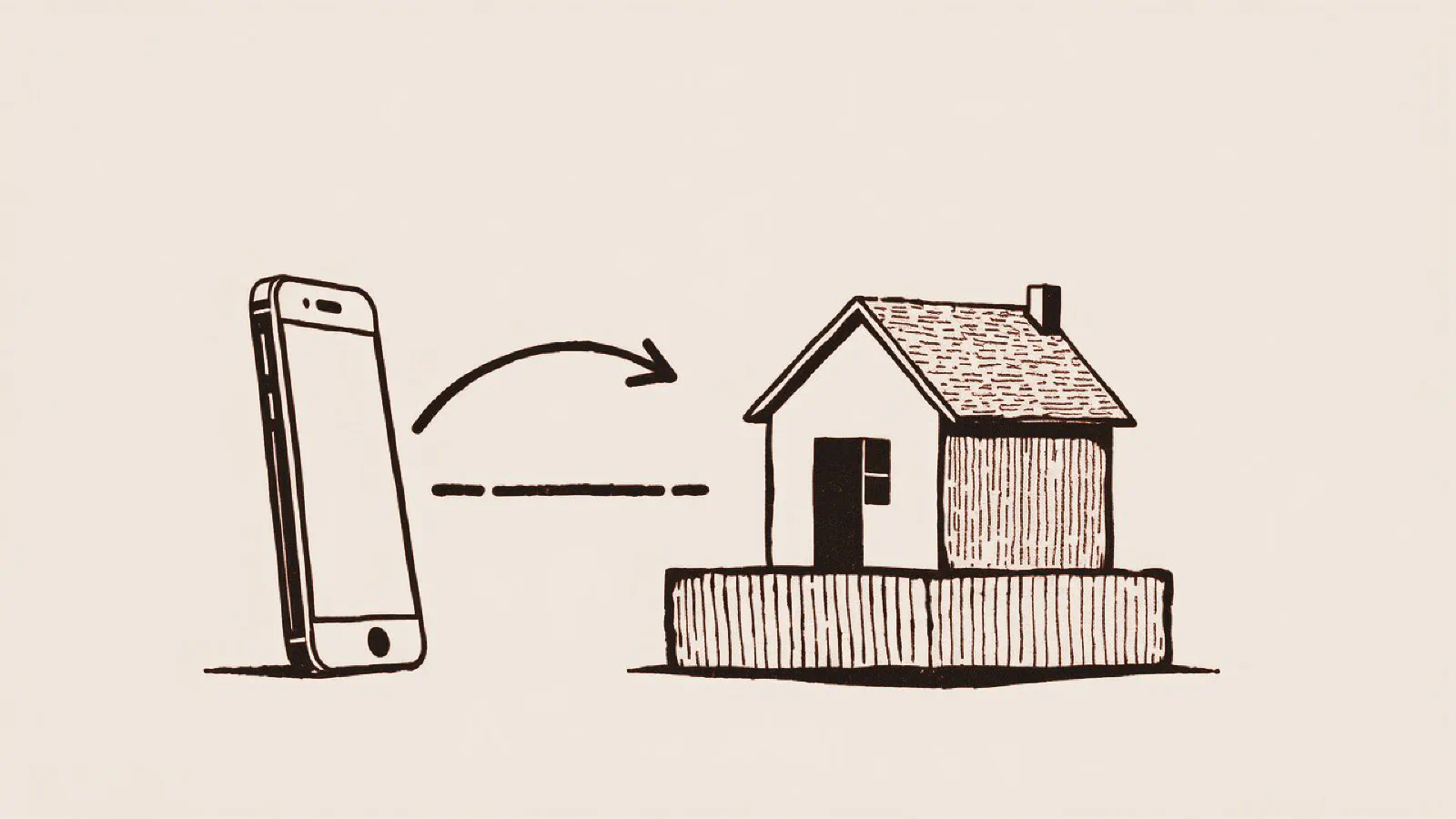
To increase direct bookings, you don’t have to leave Booking.com or Airbnb. You have to make it easy for guests to find you outside them, and give them a reason to book with you when they do. That takes five things: a website where booking is quick, a perk guests can only get there, a strong presence on Google, a way to bring past guests back, and local partners who send people your way. This guide covers each one for small hotels, B&Bs, agriturismi (farm stays), and villas in Italy, not for chains.
OTAs (booking sites such as Booking.com, Expedia, Airbnb, and Vrbo) bring you guests from all over the world. The trouble starts when they’re your only channel.
What OTA commission costs you
Every OTA booking carries a commission, set by the site and your contract. In a European Commission study, most of the commission rates that independent hotels reported were between 10% and 20% of the booking, and visibility programs such as Booking.com’s Preferred Partner add more.
On a single night:
- A guest books a €100 night through an OTA that charges 18%.
- The OTA keeps €18.
- You keep €82. Booked on your own website, the same night leaves you €100, minus a small card fee.
Multiply that by every night you sell in a year. I go through the full numbers, and why a listing is space you rent rather than own, in my guide to whether you need your own website if you’re on Booking.com.
Commission isn’t the only cost. You don’t own the guest, and often you don’t even get their real email address. The platform’s ranking decides who sees you. And in a long list of similar places, the cheapest one is the easiest to pick.
1. Make booking on your own website easy
A good-looking website isn’t enough. A website built for direct bookings takes a visitor from “this looks lovely” to a confirmed booking, without sending them back to the OTA.
- Let guests book on the site. A booking engine shows prices and availability and takes the booking in a few taps. A small villa can work with an inquiry form, as long as you answer within hours.
- Show real photos, and enough of them. They’re the first thing guests look at. Dark or blurry photos send guests back to the OTA, where at least the gallery looks tidy. More on whether professional photos are worth it.
- Write proper English. A machine-translated page, or a booking form only in Italian, loses foreign guests at the last step.
- Make it fast on a phone, and show the full price, including whether the local tourist tax is paid on arrival.
I explain what a site like this costs, and why quotes vary so much, in hotel website cost in Italy.
2. Give guests a real reason to book direct
Out of habit, most guests book where they found you. Give them a concrete reason to book on your website instead, and show it on every page:
- A better rate: “Book here and save 10%.”
- An upgrade to a better room, when one is free.
- Something included: a bottle of your own wine, late check-out, or a transfer from the station.
- More flexible cancellation than on the OTAs.
- Packages the OTAs don’t sell: a tasting at the winery down the road, a cooking class, or a guided walk.
In Italy that’s allowed. Since 2017, Italian law has voided any clause in an OTA contract that stops an accommodation business from offering better prices on its own channels (so-called rate parity). Since November 2024, the EU’s Digital Markets Act has also banned Booking.com from imposing such clauses anywhere in the EU. If you have properties outside Europe too, check those contracts.
Don’t make the discount your only argument, though. Guests should feel they book better with you, not just for less.
Want a website that brings in direct bookings, not just visitors?
3. Get found on Google before the booking sites
Guests often look you up on Google before they book, even after finding you on an OTA. What they find there decides whether they book with you or go back.
- Own the search for your name. Search for your property on your phone: your website should come first, with your price and your direct-booking perk. Booking.com’s contract lets it advertise on your property’s name, so don’t leave that search to the OTAs.
- Complete your Google Business Profile: correct details, recent photos, and replies to reviews. It’s what shows on the map when someone searches “B&B near Lucca.” Here are the mistakes hotels make on it.
- Use Google’s free booking links. Ask your booking engine provider whether it connects to Google. Free booking links show your own price next to the OTAs’ prices when someone looks up your property on Google, and clicks cost you nothing.
- Answer what foreign guests type, such as “agriturismo with pool near Lucca,” with pages in English. That’s the core of hotel SEO, and writing about your area helps too: here are some blog ideas that bring direct bookings.
My own guided-hike project in Tuscany works this way: travelers find it on Google and write to me directly, with no platform in between and no ad budget. The case study shows the numbers.
4. Bring past guests back without a middleman
A guest who comes back and books direct costs you no commission, and often brings friends. Stay in touch with the guests who booked with you directly:
- Ask permission to email them (a box they check themselves on your booking form), and put an unsubscribe link in every email.
- Send a few useful emails a year: the new season, the grape harvest, or a village festival.
- Keep a perk for returning guests: “Welcome back: 15% off your next stay when you book directly.”
- Answer on WhatsApp. Many guests, especially from Europe, would rather send a message than fill in a form, and a quick answer often decides the booking. More in WhatsApp for hotels and B&Bs.
Two rules for platform guests. Airbnb’s rules forbid asking them to move future bookings off Airbnb, or offering a discount to do it. Booking.com’s terms forbid using the contact details it gives you for unsolicited messages, but once a guest has checked in, Booking.com says you’re free to invite them to book directly next time (its Digital Markets Act report, page 9). So build your list from direct bookings and from Booking.com guests who opt in during their stay. OTA guests who loved their stay will look you up by name, which is one more reason to own that search.
5. Hotel partnership ideas: local businesses that send you guests
The restaurant in the village, the winery down the road, and the local hiking guide meet the guests you want every day. If they recommend you, those guests arrive already trusting you, and nobody takes a commission.
Five kinds of partnership
- Referral swap. You recommend the restaurant to your guests, and it recommends you to diners who need a place to stay. It costs nothing, and it works just as well with wineries, licensed tour guides, bike rental shops, and spas.
- Packages. Offers neither of you could sell alone, such as a stay with a tasting at the winery or a cooking class. Check what guests actually ask for first.
- Online cross-promotion. Share each other’s posts, swap a spot in your newsletters, and mention each other on your websites. A partner’s link helps when it’s useful to their readers, but swapping links only to rank is something Google’s spam policies warn against.
- Shared events. A dinner with a local producer at your place, a tasting with an overnight stay, or the village festival. You also get real photos and stories to share.
- Local companies. Businesses near you need rooms for visiting buyers, technicians, and clients. These stays repeat, get paid by invoice, and come all year, including the months tourists skip.
Even other hotels and B&Bs can be partners: when you’re full, send the inquiry to a place you trust instead of losing it.
How to choose the right partners
Before you propose anything, ask five questions:
- Do they serve the guests you want? If you host couples looking for quiet and they serve families on a budget, it won’t work.
- Are they at your level? A poor partner hurts a good property, and the other way around.
- Do they add to your offer, or compete with it? A restaurant adds. A B&B for the same guests competes.
- Are they reliable? Try them yourself before you put your name next to theirs.
- Do they want to work together? Don’t spend months convincing anyone.
How to ask: a message you can adapt
Pick three or four businesses you really like. Go in person if you can, or send a short message like this:
Hi [name], I’m [your name] from [property], a B&B in [village]. I had dinner at your place last week and loved the [dish]. My guests often ask me where to eat, and I already send many of them to you. How about making it official? I’d feature you in my welcome guide and in the rooms, and you’d suggest my B&B to diners who need a place to stay. Do you have time for a coffee next week?
Then keep it simple: agree who does what and how you’ll count referrals, and try it for three months. The usual mistakes are expecting results in weeks, forgetting to recommend the partner after the handshake, and counting nothing.
Photograph your partners, too
A partnership only works if guests can see it. When I photograph an agriturismo, I don’t stop at the rooms and the pool. I also shoot the partner cheesemaker, the winery five minutes away, the restaurant the owners recommend, and the village market. In the gallery, guests stop seeing just a place to sleep and start seeing a whole stay in the area. It’s part of how I work with hotels, B&Bs, and agriturismi.
Direct bookings for villas and vacation rentals
If you rent out a villa or a vacation home (a holiday let, as British owners say), everything above applies, with three differences:
- Your listing can’t point to your website. Airbnb’s rules forbid links off the platform in listings and messages, so your direct channel has to stand on its own.
- Trust matters more. Guests often book a week for a group and pay a lot at once. Before paying you directly, they want photos of every room, a floor plan, distances to the nearest shop and airport, secure payment, and someone who answers the phone.
- Show your CIN on your website. Since January 1, 2025, every vacation rental and accommodation business in Italy needs a CIN (Codice Identificativo Nazionale, a national ID code), and the law requires it in every ad, wherever it’s published. It also shows guests that your villa is registered.
How to increase direct bookings: where to start
A direct booking strategy for a small hotel or villa doesn’t start with a big budget. Start where you lose the most:
- Search for your property’s name on your phone. Is your own website first, with a reason to book there?
- Try to book a night on your own website. If it’s harder than on Booking.com, fix that first.
- Choose one perk for direct bookings and show it on every page.
- List three local businesses you’d happily recommend, and write to one of them this week.
Direct bookings grow one channel at a time, and they work better when your photos, website, and Google presence are planned together, with one point of contact. For the order to do things in, see the five marketing steps I suggest for small hotels.